

What’s Next for Iran: Shifting Power, Regional Risk, and Global Implications
Liferaft | March 23, 2026
Contents
The conflict in and around Iran is reshaping the global security landscape in real time. Leadership uncertainty in Tehran, shifting proxy dynamics, and mounting pressure on critical infrastructure and trade routes are turning into a complex risk environment for governments and businesses alike.
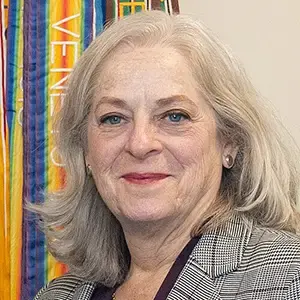
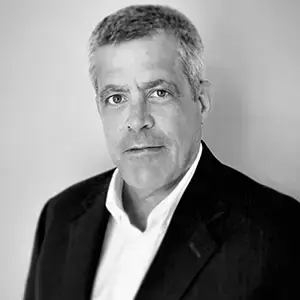
To help leaders make sense of this moment, Liferaft hosted an exclusive, closed-door briefing: “What’s Next for Iran: Shifting Power, Regional Risk, and Global Implications.” The session brought together three experts with decades of frontline experience in diplomacy, intelligence, and national security:
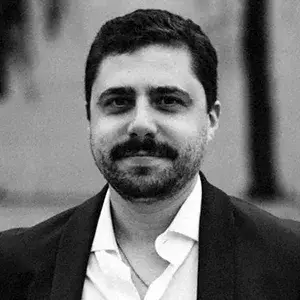
Mark Freedman, Principal and CEO of Rebel Global Security and former Chief of Staff to the Ambassador-at-Large for Counterterrorism at the U.S. State Department
Together, they explored how we got here, what is happening on the ground today, and what this evolving crisis means for organizations with global exposure.
Setting The Lay Of The Land
The conversation opened by grounding the audience in how the current crisis developed and what has changed in recent months. The panel examined Iran’s internal dynamics, including leadership degradation and competing centers of power across political, military, and security institutions.
A key focus was the question, “Who is effectively in charge?” Rather than treating Iran as a monolith, the discussion unpacked how decision-making is actually distributed within the regime, and why that matters for predicting escalation, negotiation, or sudden shifts in behavior.
From there, the panel looked outward at Iran’s posture across the region. Drawing on deep regional experience, the speakers discussed how Iran and its proxies are positioning themselves, how alliances and rivalries are evolving, and where the greatest potential for miscalculation or spillover may lie.
From Tehran To Boardrooms: Global Implications
With the strategic picture established, the conversation turned to what this conflict means for governments, global businesses, and critical infrastructure operators.
Questions explored near-term implications for:
The panel also considered whether organizations today are more likely to be overestimating or underestimating the risk, and how that perception gap can affect decision-making, investment, and preparedness.
Why This Conversation Matters
Any organization with a global footprint should know that the stakes around Iran’s trajectory are not academic. Decisions about travel, site security, supply chains, and strategic investment are being made against a backdrop of uncertainty and rapid change.
This session was designed to give leaders a clearer, more grounded understanding of:
To watch the full discussion and hear directly from Ambassador Romanowski, Ted Singer, and Mark Freedman, view the recording above.