

Contents
Digital Impersonation & What Deepfakes Mean for Executive Security
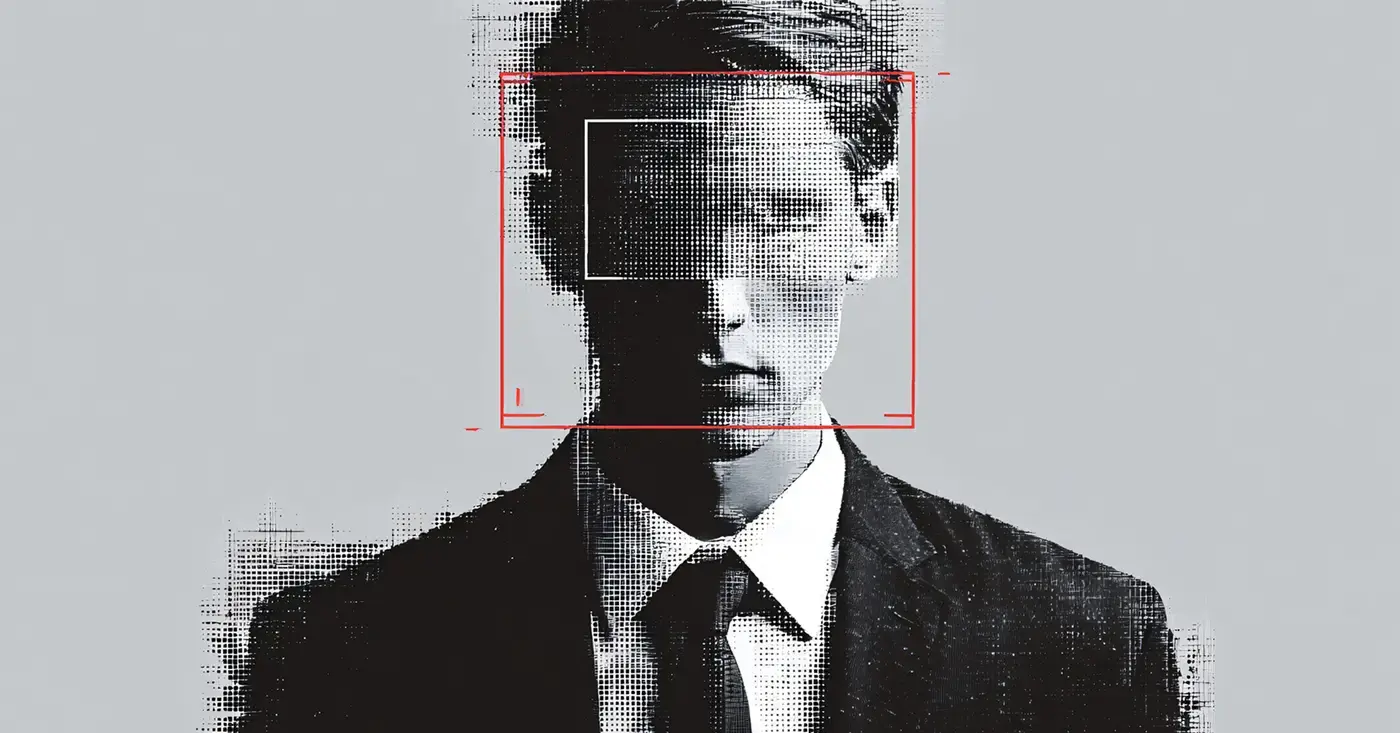
Artificial intelligence has made it easier than ever to imitate a person's voice, face, and identity. What once required sophisticated technology is now accessible to criminals looking to commit fraud, manipulate trust, and target executives with convincing digital impersonation.
In this episode of the Liferaft Security Spotlight Sessions, cybersecurity and risk expert Harris D. Schwartz explores how AI-generated deepfakes are changing executive security. From voice-cloned CEOs authorizing fraudulent wire transfers to realistic video calls designed to deceive finance teams, Harris explains why organizations must rethink how they verify identity, protect leadership, and respond to emerging threats.
If your organization is responsible for executive protection, high-value financial transactions, corporate security, or brand reputation, this conversation offers practical strategies for strengthening resilience against one of today's fastest-growing risks.
Listen to the Full Episode
What You'll Learn
In this Security Spotlight Session, you'll learn:
Why Digital Impersonation Is Now an Executive Security Issue
Deepfakes are no longer simply a cybersecurity concern.
Today's AI tools can generate highly convincing audio, video, and images capable of bypassing trust-based processes that organizations have relied on for years. Criminals can impersonate executives during video meetings, create fake voice messages requesting urgent payments, or distribute manipulated media designed to damage reputations and influence public perception.
As these technologies improve, organizations must recognize that protecting executives now extends beyond physical security. Digital identity has become another critical asset requiring continuous monitoring and protection.
Meet Our Guest

Harris D. Schwartz
Harris D. Schwartz is a cybersecurity and risk leader with more than two decades of experience advising executives, financial institutions, enterprises, and government organizations.
His expertise spans cybersecurity, fraud prevention, digital forensics, threat intelligence, and executive risk. Throughout this discussion, Harris explains how organizations can adapt governance, verification processes, and security programs to counter increasingly sophisticated AI-enabled attacks.
Key Takeaways from the Conversation
Executive Identity Has Become a New Attack Surface
Executives are increasingly targeted because their identities carry authority. A convincing voice recording, video message, or virtual meeting can pressure employees into approving financial transactions, sharing confidential information, or making decisions that bypass established controls.
Protecting executive identity now requires the same level of attention as protecting executive travel, facilities, and physical safety.
Technology Alone Won't Solve the Problem
While deepfake detection tools continue to improve, Harris emphasizes that governance remains equally important.
Organizations should establish clear verification procedures for sensitive requests, especially those involving financial approvals, confidential information, or urgent executive communications. Multi-person verification and out-of-band confirmation processes help reduce the likelihood of successful impersonation attacks.
Security Teams Must Work Together
Deepfake incidents rarely affect a single department.
Corporate security, executive protection, cybersecurity, fraud prevention, finance, legal, and communications teams all play a role in identifying and responding to digital impersonation.
A coordinated approach enables organizations to detect suspicious activity earlier and respond more effectively when incidents occur.
Intelligence Helps Detect Threats Earlier
Many impersonation campaigns leave digital signals before an attack succeeds.
Open-source intelligence (OSINT), social media monitoring, dark web visibility, and threat intelligence can help organizations identify fraudulent profiles, cloned content, coordinated campaigns, or emerging narratives targeting executives and brands before they escalate into operational incidents.
Executive Identity Assurance Is Becoming Essential
Rather than reacting after an attack, organizations should develop executive identity assurance programs that combine governance, verification procedures, monitoring, employee awareness, and intelligence gathering.
These programs help reduce fraud risk while protecting executive credibility and organizational trust.
Preparing for the Future of AI-Driven Fraud
Deepfake technology will continue to improve, making impersonation attacks faster, more convincing, and more difficult to detect.
Organizations that invest in stronger governance, intelligence-led security, cross-functional collaboration, and verification controls today will be better positioned to protect executives, financial assets, and corporate reputation tomorrow.
This Security Spotlight Session provides practical guidance for organizations looking to stay ahead of one of the most rapidly evolving threats facing modern executive security.
Frequently Asked Questions (FAQ)
What is digital impersonation?
Digital impersonation is the use of technology to imitate someone's identity online. This may include AI-generated voice cloning, deepfake videos, fake social media profiles, manipulated images, or fraudulent emails designed to appear as though they came from a trusted individual.
What is a deepfake?
A deepfake is AI-generated or AI-manipulated audio, video, or imagery that convincingly imitates a real person. Deepfakes can be used for fraud, misinformation, reputational attacks, and social engineering.
Why are executives increasingly targeted by deepfakes?
Executives possess authority that can influence financial approvals, strategic decisions, and public trust. Attackers exploit that authority by impersonating leaders to convince employees, partners, or customers to take actions they otherwise wouldn't.
How can organizations protect against executive impersonation?
Organizations should combine strong governance with technical controls by implementing identity verification procedures, multi-person approval workflows, employee awareness training, threat intelligence monitoring, and incident response playbooks specifically designed for AI-enabled impersonation.
What is Executive Identity Assurance?
Executive Identity Assurance is a security framework that helps organizations verify executive communications, monitor digital impersonation attempts, strengthen approval processes, and reduce the risk of fraud involving senior leadership.
How does OSINT help detect impersonation?
Open-source intelligence (OSINT) enables organizations to monitor publicly available sources for fake profiles, cloned content, phishing campaigns, leaked information, coordinated misinformation, and other early indicators that executives or brands are being targeted.
Which teams should be involved in preventing deepfake attacks?
Effective protection requires collaboration between executive protection, corporate security, cybersecurity, finance, communications, legal, fraud prevention, and threat intelligence teams.
What industries are most at risk from executive deepfakes?
Financial services, healthcare, government, manufacturing, technology, critical infrastructure, higher education, and multinational enterprises are increasingly targeted because of their high-value transactions, sensitive information, and public-facing leadership.
Where can I listen to the full Security Spotlight Session?
You can listen to the complete episode on Spotify.