

Contents
By Mark Freedman
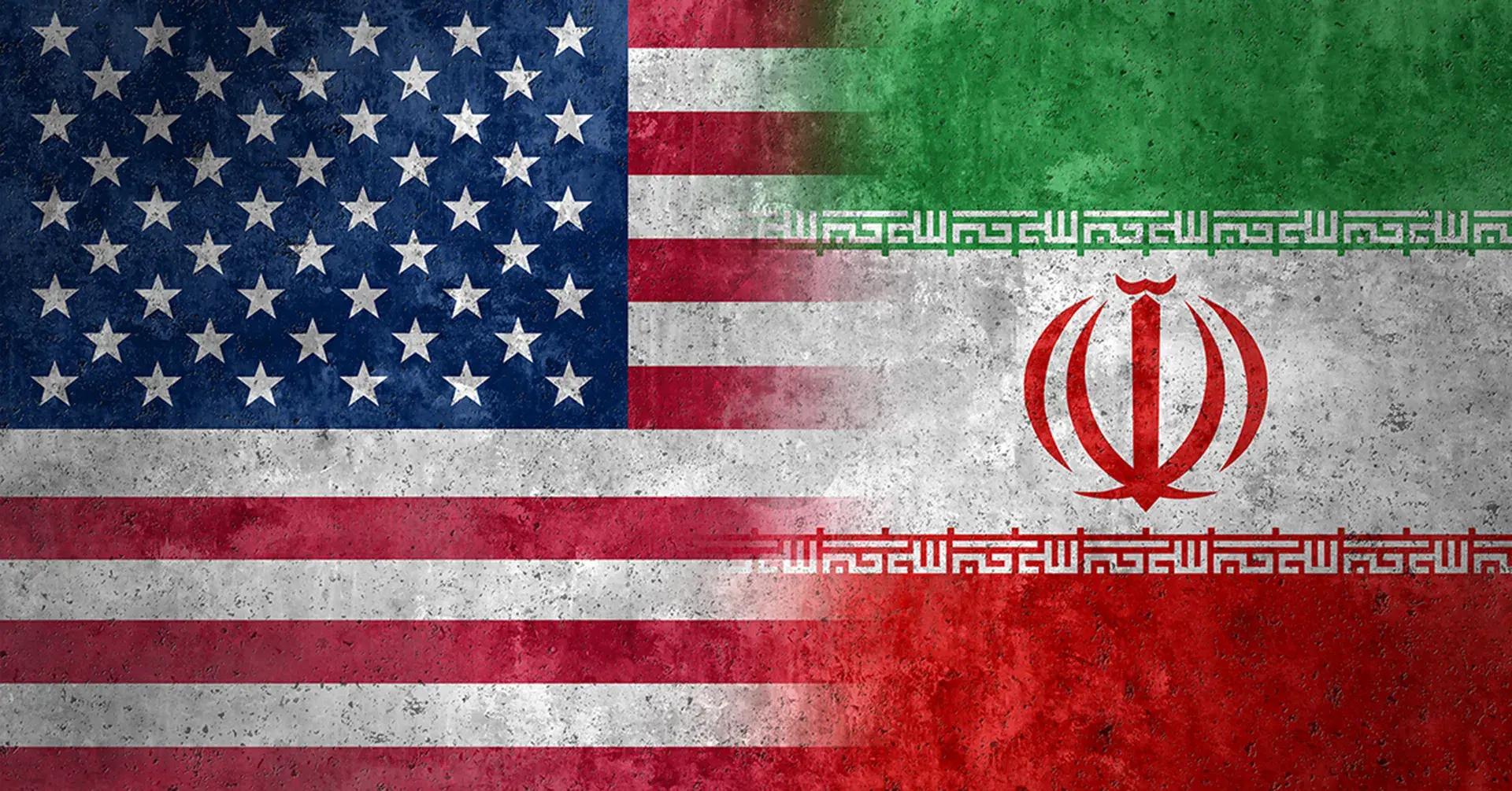
For businesses, geopolitical crises often feel distant until they suddenly are not. The war between the United States and Iran is one of those moments.
Operation Epic Fury
On February 28, the United States launched Operation Epic Fury, a combined U.S.-Israeli military operation against Iran. In a press briefing on March 4, U.S. Secretary of War Pete Hegseth articulated the objectives of the operation as follows: “Obliterate Iran's missiles and drones and facilities that produce them, annihilate its navy and critical security infrastructure and sever their pathway to nuclear weapons.”
In the days since the beginning of the operation, Iran has launched drone and missile strikes against several countries across the Middle East, including Iraq, Kuwait, Bahrain, Qatar, United Arab Emirates, Oman, Saudi Arabia, Israel, and Cyprus. As a result, the U.S. State Department issued an advisory urging American citizens to depart urgently from much of the Middle East. As of this writing, the regional security situation continues to deteriorate.
Key Impacts to Businesses
The situation in Iran, the region, and globally will continue to evolve rapidly in the coming days and weeks. In the immediate term, corporate security, intelligence, and risk teams should consider the following threat and risk vectors.

Operating in a Heightened State of Alert
In moments like this, corporate security teams should resist the temptation to wait for a specific warning tied to their company or industry. The more effective approach is to move into a temporary posture of heightened alert while monitoring how the situation evolves.
Intelligence monitoring is particularly important.
Security and intelligence teams should track developments across several fronts: military and security activity in the region, statements from government officials (including U.S., Israeli, Iranian, and others), security advisories, and cyber threat reporting. Even small indicators can provide early warning of broader escalation. Social media is a key source for monitoring this activity but must be carefully filtered and evaluated for credibility and relevance.
Scenario planning is also essential.
In the coming weeks, we could see a protracted conflict, a shift in Iranian tactics, the collapse of the Iranian regime, increased terrorist attacks across the West, and many more potential scenarios. Dedicating time to thinking through these potential outcomes and their impact on corporate operations will help security and intelligence teams mount a stronger and more anticipatory response.
Finally, organizations should go “shields up” during periods of geopolitical tension.
This means temporarily increasing vigilance across both physical and cyber domains. Security operations centers may increase monitoring thresholds, while corporate security teams coordinate closely with IT, crisis management, and executive leadership to apply additional security countermeasures when and where appropriate.
The confrontation between the United States and Iran is unlikely to resolve quickly. Organizations that treat geopolitical intelligence as a core element of their security posture will be far better positioned to navigate the current crisis and future similar events.

Mark Freedman
Principal & CEO, Rebel Global Security
Mark Freedman is Principal and CEO of Rebel Global Security and was formerly the Chief of Staff for the U.S. Department of State’s Counterterrorism Bureau. This post is part of Liferaft and Rebel’s collaborative work to analyze the evolving global threat environment and provide critical insights to private sector and government clients.