

Contents
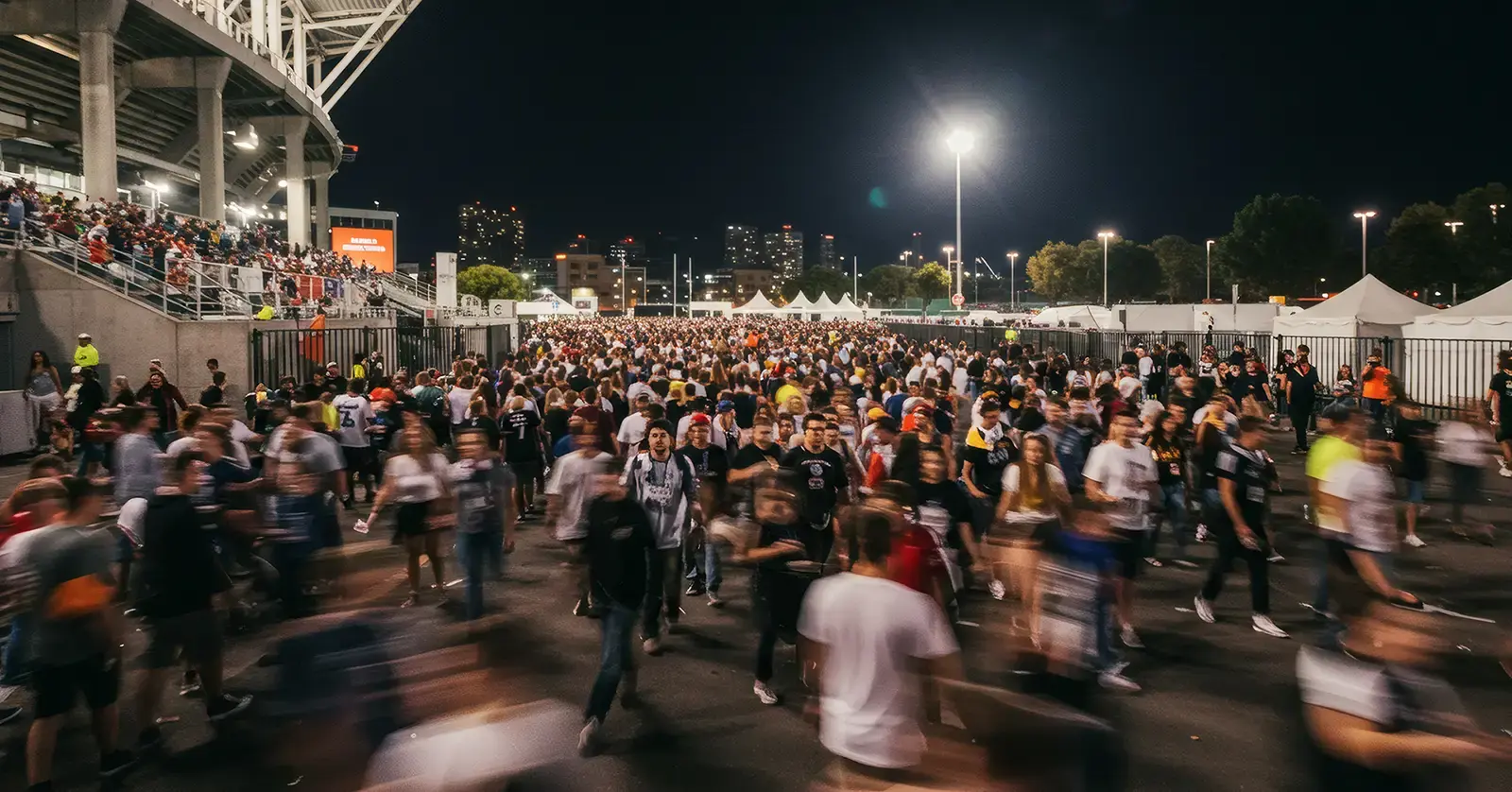
Major events like the Super Bowl and/or the National Championship Game bring together massive crowds, global attention, and heightened emotion. From a security perspective, that combination creates a unique challenge: risks can emerge quickly, shift just as fast, and often start well outside the physical footprint of the venue. To keep pace, event security teams are increasingly turning to social media sentiment monitoring as a core part of their security and operational strategy.
Social Platforms Function As Real-Time Reflection Points For Public Mood And Intent.
Fans, activists, and opportunistic actors alike often express frustration, anger, or motivation online long before it manifests in the physical world. Reviewing and being mindful of platforms such as X (formerly Twitter), TikTok, Snapchat, Reddit, Discord, and other online communities (including Dark Web) allows security teams to identify early signals that something may be changing in the environment around an upcoming event.
This capability becomes especially important during periods of broader social tension. Recent ICE-related incidents and the protests that followed across several U.S. cities demonstrate how quickly online discourse can escalate. In these situations, social media often shows a surge in negative sentiment, mobilization language, and location-specific discussions. When major events are scheduled in or near those same areas, there is a real possibility that protests or disruptive activity could overlap with event operations.
The Challenge: Manual Monitoring Doesn’t Scale
While the value of sentiment monitoring is clear, doing this work manually is not realistic at scale. Major events generate millions of open source posts across multiple platforms over a matter of days or even hours, sometimes starting weeks prior to the event in question. Content moves quickly, language evolves, and relevant information is often buried within vast amounts of background noise.
Relying solely on human analysts to track keywords, review posts, and identify emerging risks in real time can lead to missed indicators, delayed response, and analyst fatigue/overload.
I experienced these limitations firsthand in May 2020, when my team feared potential riots following the death of George Floyd. We used a geofencing tool to monitor sentiment around our brick‑and‑mortar locations, but it lacked modern AI capabilities. Analysts were forced to manually review enormous datasets filled with false positives. The process was slow, cumbersome, and left little time to respond to the truly relevant information. In rapidly evolving situations, delays like that can be costly.

The Solution: AI as a Force Multiplier
Artificial intelligence dramatically enhances the ability to interpret social media sentiment at scale. Rather than replacing analysts, AI acts as a force multiplier, reducing noise, highlighting anomalies, and identifying the most relevant indicators of agitation or coordinated behavior.
AI-driven platforms can:
With AI filtering and prioritizing information, analysts can focus on context, verification, and decision‑making - the work that truly requires human judgment.
Key Indicators to Watch Ahead of Major Events
When preparing for a major event, security teams should pay particular attention to:
Individually, these data points may appear harmless; collectively, they can reveal early indicators of where resources, coordination, or contingency planning will be required. Analysts should remain vigilant, since the aggregated information could be misleading or intentionally deceptive, and some derived conclusions may be false. AI tools can assist by cross-referencing sources, detecting anomalies and patterns, and flagging likely misinformation to help prioritize further verification.
Ethics & Responsible Use
At its core, sentiment monitoring is about awareness and preparedness and not surveillance. All responsible OSINT practices rely strictly on publicly available information and comply with platform policies and legal guidelines.
When used ethically, AI-assisted analysis enables event organizers and security teams to:
- Stay ahead of emerging risks
- Improve communication with partners
- Allocate security resources more effectively
- Make faster, more informed decisions under pressure
As large-scale events increasingly intersect with a fast-moving, emotionally charged digital environment, real-time sentiment monitoring is becoming a fundamental component of modern event security.
The Wrap Up
At the end of the day, maintaining strong event awareness is essential, and the tools available today make it possible to gather, interpret, and act on relevant open‑source information with greater speed and accuracy, provided analysts approach their work with discipline, transparency, and a clear understanding that sentiment monitoring supports public safety without crossing into surveillance.